Articles
How to choose the ideal species for each project.
Performance, durability and aesthetics start with choosing the right wood
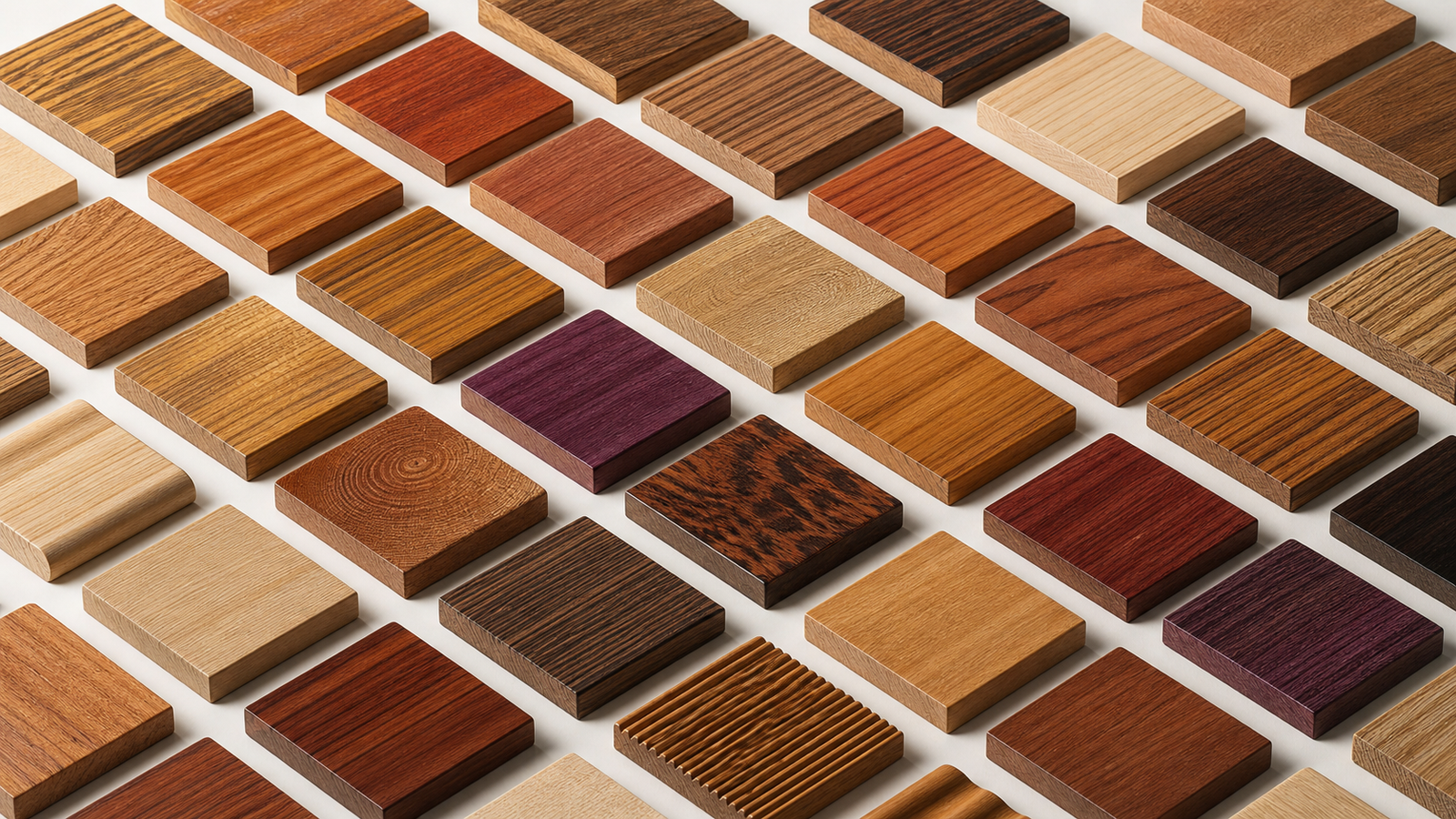
Choosing the wood goes far beyond appearance. Each species has natural characteristics that directly influence performance over time — especially in outdoor environments.
Sun, rain, humidity, traffic and maintenance are factors that require attention from the design stage. Selecting the right species means ensuring safety, longevity and beauty with the lowest possible maintenance cost.
There is no single ideal wood. There is the most suitable species for each context.
The right wood starts with the application
Before choosing the species, it is essential to understand where and how it will be used. Environments exposed to sun and rain call for naturally more stable and resistant woods. Covered areas or those with lighter traffic allow for more choice. The combination of exposure, performance and maintenance defines the project’s service life — and the total cost of ownership.
What to assess before specifying
01. Application — Define the main use: decking, facade, ceiling, structure, furniture or interior flooring.
02. Exposure — Assess exposure to sun, rain, humidity and temperature variations.
03. Performance — Assess exposure to sun, rain, humidity and temperature variations.
04. Maintenance — Evaluate the desired maintenance level and the ease of cleaning and upkeep.
Species comparison
- Species · Density (kg/m³) · Natural durability · Applications
- Cumaru · 1.050 · Very high · Decking, pergolas, bridges, outdoor flooring and furniture.
- Ipê · 1.150 · Very high · Decking, outdoor flooring, structures, facades and stairs.
- Itaúba · 980 · High · Decking, ceilings, light structures and furniture.
- Jatobá · 900 · High · Decking, flooring, ceilings and outdoor finishes.
When to choose each species
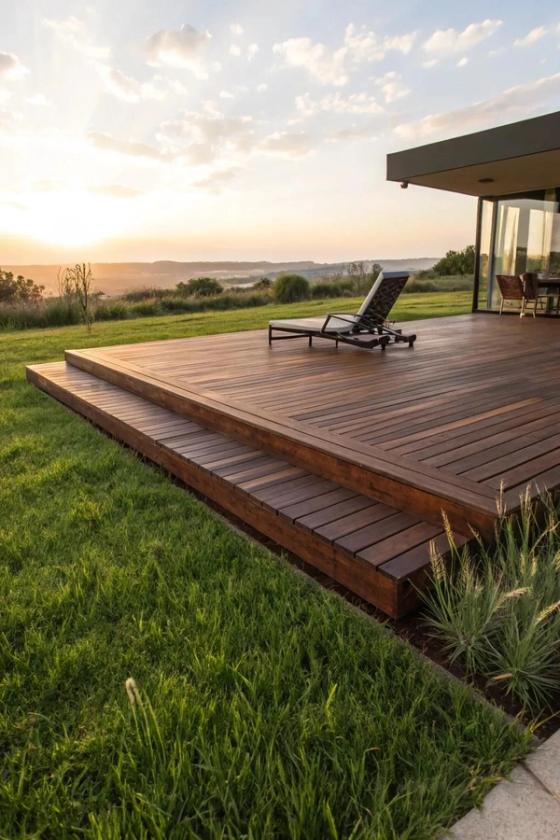
- Cumaru: balance between beauty, stability and durability — ideal for decking and outdoor areas with high exposure.
- Ipê: maximum strength and hardness — suited to projects that demand superior performance and a long service life.
- Itaúba: lightness and versatility — a good option for covered areas or moderate exposure.
Conclusion
Choosing the right species is a technical decision that directly affects the project outcome and the user experience over time. Assessing application, exposure, performance and maintenance is the path to more accurate and sustainable specifications. Wood is nature with engineering. Choosing well means designing for the future.